Bar Setup and Glass Organization — Why It Matters for Speed of Service
I was working with a restaurant in Connecticut recently and noticed the bartender walking to three different locations to build a single cocktail. The wine glasses were on one end of the bar. The spirits were in the middle. The juices were at the other end. On a slow Tuesday night, that is mildly inefficient. On a night with a 19-top private party, that kind of setup is a disaster waiting to happen.
Bar organization is one of those things that restaurant owners rarely think about until service falls apart. By then, guests are waiting, the bartender is stressed, and drink quality suffers as shortcuts get taken under pressure.
The Principle of Proximity
Everything a bartender needs to build their most common drinks should be within arm's reach of the well. The well is your primary work station, and the layout around it should be designed around your actual menu, not convenience or habit. If your most ordered cocktails all use vodka, simple syrup, and citrus, those three things should be immediately adjacent to your shaker station.
Wine glasses should be positioned near your white and red wine storage. Beer glasses near the taps. Cocktail glasses near the well. The goal is to eliminate unnecessary movement during service. Every step a bartender takes to get a glass or an ingredient during a busy service is a second added to every drink that comes out of that bar.
The Takeout Area Problem
One thing I see in a lot of Connecticut restaurants is a takeout pickup area that has been shoehorned into the bar or the entrance in a way that creates confusion. Guests coming in for takeout are not sure where to go. They end up standing awkwardly near the host stand or wandering toward the bar. This creates friction that affects the guest experience for everyone in the restaurant, not just the takeout customer.
A clearly defined, well-signed takeout area with its own designated space communicates professionalism and makes the online ordering and takeout experience feel intentional rather than improvised.
Glassware Standardization
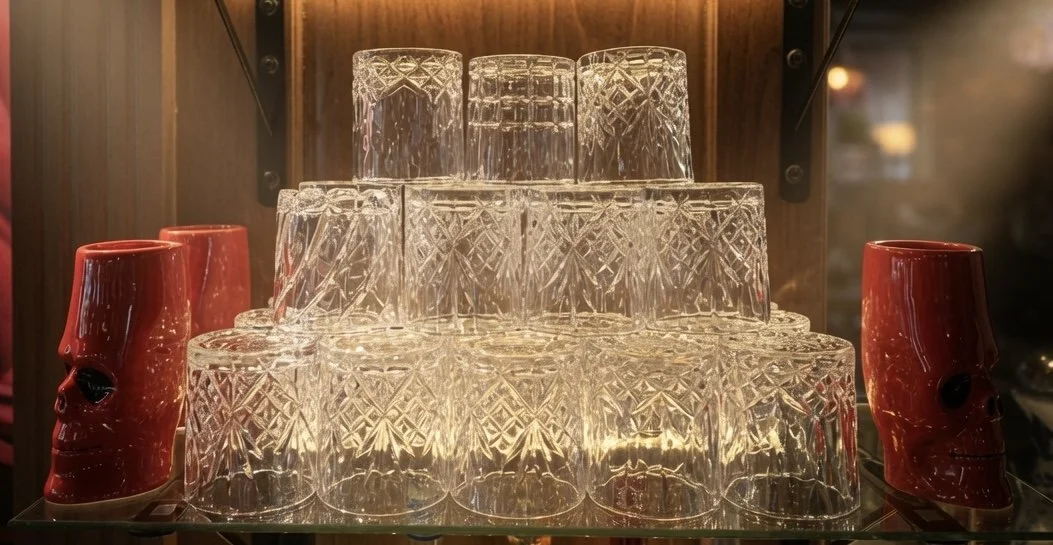
A bar that has seventeen different types of glasses spread across three different storage locations is a bar that will consistently use the wrong glass under pressure. I recommend that every restaurant audit their glassware and consolidate to the minimum number of glass types needed to serve their actual menu properly. A rocks glass, a highball glass, a wine glass, a martini or coupe glass, and a pint glass covers most menus completely.
This kind of operational streamlining is part of what we address in our operations consulting work. Small inefficiencies in bar setup compound across every service and show up in your labor costs when your bartender needs extra time to execute each drink.
Set Up for Your Busiest Night
The right way to evaluate your bar setup is to walk through it mentally on your busiest night with your highest volume of orders. Does the layout support that night? Are the glasses where they need to be? Are the most-used spirits immediately accessible? Is the ice well full and properly positioned?
At 5 Loaves Restaurant Consulting, we do physical operational reviews of Connecticut restaurant bars and floor layouts as part of our consulting engagements. Small layout changes can have a meaningful impact on service speed and staff stress during peak hours.
Contact us for a free consultation about your bar operations.
5 Loaves Restaurant Consulting serves restaurants across Connecticut including Torrington, Hartford, New Haven, Waterbury, Litchfield County and surrounding areas.