Restaurant Consultant Chicago — What Independent Operators Need to Know About This Market
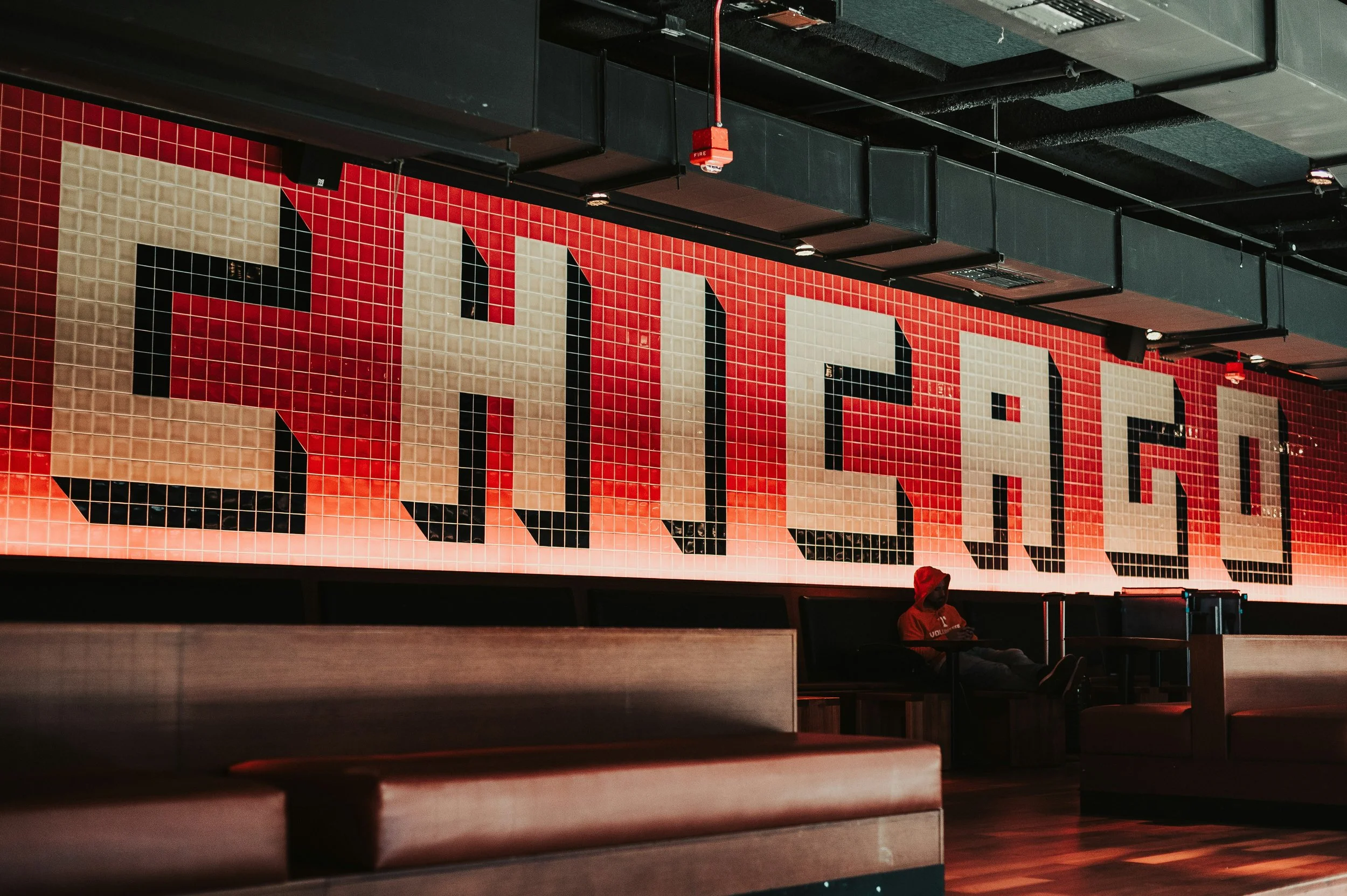
Chicago is one of the most demanding restaurant markets in the United States. It is a city where culinary excellence is a baseline expectation, where neighborhood loyalty runs deep, and where independent restaurants compete not just against each other but against a culture of dining that has shaped American food for over a century. For independent restaurant owners in this market, the difference between thriving and barely surviving often comes down to operational discipline. That is where a restaurant consultant becomes essential.
Chicago at a Glance
Population 2.7 million. Median household income $77,902. Median age 35.8 years. The racial makeup of Chicago reflects the city's history as a destination for migrants and immigrants: 36% White, 28% Black, 30% Hispanic, 7% Asian. Employment is anchored in healthcare, which employs more workers than any other sector, followed by finance, logistics, and a robust hospitality and food service industry that employs hundreds of thousands of Chicagoans. Chicago is a city of neighborhoods, and each neighborhood has its own dining culture, its own loyalties, and its own economic profile.
Two Dining Economies
Chicago runs on two parallel dining economies that rarely overlap. The first is the downtown and tourist-facing economy, centered on the Loop, River North, and the Magnificent Mile, where expense accounts, convention visitors, and weekend tourists support a high-volume, high-margin dining culture. Restaurants in this corridor can absorb thin operational systems because volume covers mistakes.
The second economy is the neighborhood economy, and this is where the real Chicago lives. Pilsen, Logan Square, Pilsen, Bronzeville, Bridgeport, Andersonville, Wicker Park. These are neighborhoods where restaurants are community institutions. Where the same families have been coming in on Friday nights for twenty years. Where the owner knows the regulars by name and the regulars know when something is off. In this economy, margins are tighter, competition is fierce, and operational excellence is not optional.
Who Your Chicago Diner Is
The Chicago diner is value-conscious but not cheap. They understand quality, they appreciate craft, and they will spend real money on a great meal. But they will not forgive inconsistency. A Chicago neighborhood restaurant that delivers a great experience one visit and a mediocre one the next loses that guest's loyalty in a market that has given them dozens of other options within walking distance.
Seasonal patterns matter. Chicago winters drive down foot traffic for independent restaurants while boosting delivery and takeout. Summer brings outdoor dining back to life and with it a compressed period of high revenue that needs to fund the slower months ahead. Independent operators who do not account for this seasonal cash flow reality in their labor and scheduling systems pay for it in the winter.
Five Things Struggling Chicago Restaurants Get Wrong
First, they do not know their real food cost. They think they do because they see the invoices. But until someone has done a proper theoretical usage analysis against actual inventory counts, you do not know your food cost. You know what you spent. That is not the same number. A restaurant consultant in Chicago who specializes in food cost reduction can close that gap and put real money back on the bottom line.
Second, they over-hire for the summer and then panic-cut labor in the fall. The result is a team that is stretched too thin heading into the slower months, with the experienced staff burned out and the best people looking elsewhere. A disciplined labor and scheduling system built around actual POS data eliminates this cycle.
Third, they neglect the bar program. Chicago is a drinking city. The cocktail culture here is sophisticated and guests know the difference between a bar program that has been thoughtfully built and one that is an afterthought. A weak cocktail program in a Chicago neighborhood restaurant is a direct hit to check averages and guest retention.
Fourth, they run their menu like it is permanent. In Chicago, where ingredient costs fluctuate, where seasonal availability shapes guest expectations, and where menu fatigue sets in faster than owners realize, a static menu is a liability. Menu engineering is an ongoing discipline, not a one-time project.
Fifth, they do not manage their online presence. Chicago diners research before they go. They check Google, they look at photos, they read reviews. A sparse Google Business profile, no response to negative reviews, and food photography that does not do justice to what the kitchen is producing are all conversion killers. Social media and reputation management are not marketing extras in this market. They are operational necessities.
Chicago Restaurants Getting It Right
New Best Sub in Chicago has built one of the most loyal neighborhood followings in the city with nearly 1,000 Google reviews and a 4.9 star rating. That kind of review profile does not happen by accident. It happens when a restaurant delivers a consistent, memorable experience and builds genuine relationships with its community. That is the model every independent Chicago operator should be studying.
La Cocina de Irma brings the same community loyalty to a different cuisine and a different neighborhood. Over 500 reviews at 4.9 stars tells you that guests are not just satisfied, they are compelled to say something about it. In a city of 10,000 restaurants, that kind of organic advocacy is the most powerful marketing that exists.
The Opportunity for Independent Chicago Restaurants
Chicago's independent restaurant scene is one of the most vibrant in the country, but it is also one of the most unforgiving. The restaurants that survive and build real businesses here are the ones with disciplined operations, strong teams, and a clear understanding of their numbers. A restaurant management consultant who understands this market and works specifically with independent operators can close the gap between a restaurant that is working hard and one that is actually working.
5 Loaves Restaurant Consulting works with independent Chicago restaurant owners on the full operational picture: food cost, labor, menu engineering, staff training, cocktail programs, and the financial systems that give owners real visibility into their business. We are a restaurant consulting firm built specifically for independent operators, not chains, not franchises, not corporate groups.
Contact 5 Loaves Restaurant Consulting for a free consultation about your Chicago restaurant.
5 Loaves Restaurant Consulting works with independent restaurant owners across the US including Connecticut, Miami