Restaurant Consulting in Waterbury, CT: How to Build a Restaurant That Works for This Market
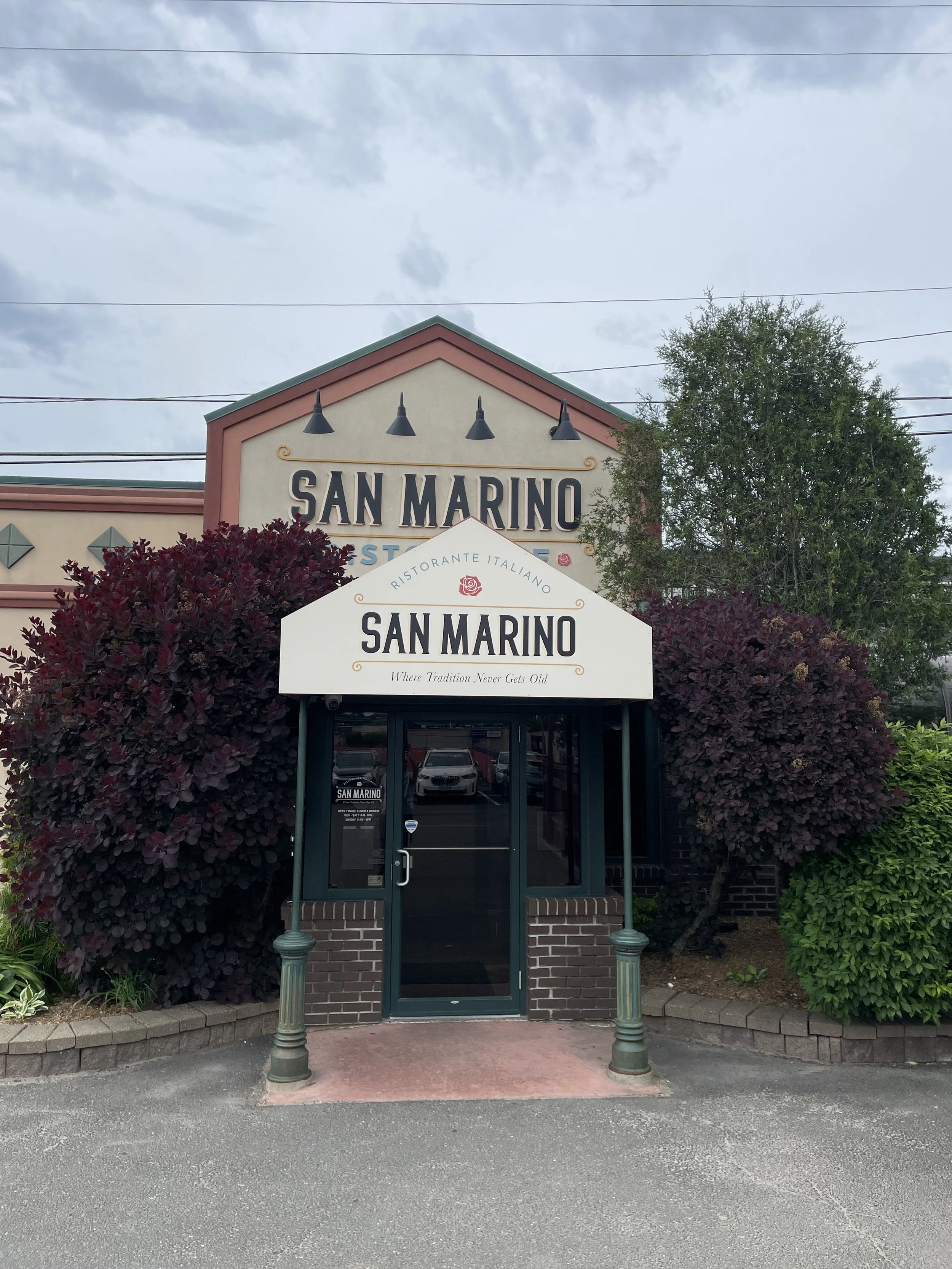
Waterbury is not New Haven. It's not Hartford. It has its own identity, its own economic pressures, and its own loyal customer base — and the restaurants that succeed here are the ones that understand that, rather than trying to import a concept that works somewhere else. If you're running a restaurant in Waterbury and wondering why it's harder than it looks, you're not alone. But the answer isn't to give up. The answer is to get honest about your market and build a strategy that actually fits it. At 5 Loaves Restaurant Consulting, we work with restaurants across the Naugatuck Valley. Here's what we've learned about building something that lasts in this market.
Understanding the Waterbury Customer
Waterbury's median household income sits around $51,900 — and with a poverty rate near 25%, a meaningful portion of the population is budget-conscious in a way that directly affects restaurant spending. This is not a market where a $22 entrée sells itself. Value has to be evident, visible, and felt. The city's population is majority Hispanic (38.5%), followed by White (29%) and Black (23%), with a median age of 37. This is a working-age city with families — people who work hard and want to feel welcomed and respected when they spend their money going out to eat. The Waterbury restaurants that build real loyalty are the ones where the owner knows people's names. Where the portions are honest. Where the food feels like it was made by someone who cares. In a market like this, heart and authenticity go further than a curated aesthetic or a trendy concept.
The Pricing Tightrope
One of the most common mistakes we see in Waterbury restaurants is a pricing structure built for a different market. Food costs have risen dramatically since 2021 and many operators responded by raising menu prices. That's understandable — but in a price-sensitive market, raises that aren't accompanied by a genuine improvement in perceived value lead directly to declining covers. The solution isn't always lower prices. It's smarter menu engineering. That means identifying which items have the best margin AND the most customer appeal and featuring them prominently. Retiring dishes that cost a lot to produce but don't drive loyalty. Building combo options and family meals that feel like a great deal without destroying your margin. Pricing beverages and desserts strategically — because that's often where real profit lives. A menu engineering review often reveals that a restaurant is leaving 10-15% of its potential revenue on the table without realizing it.
What Waterbury Diners Are Saying Online
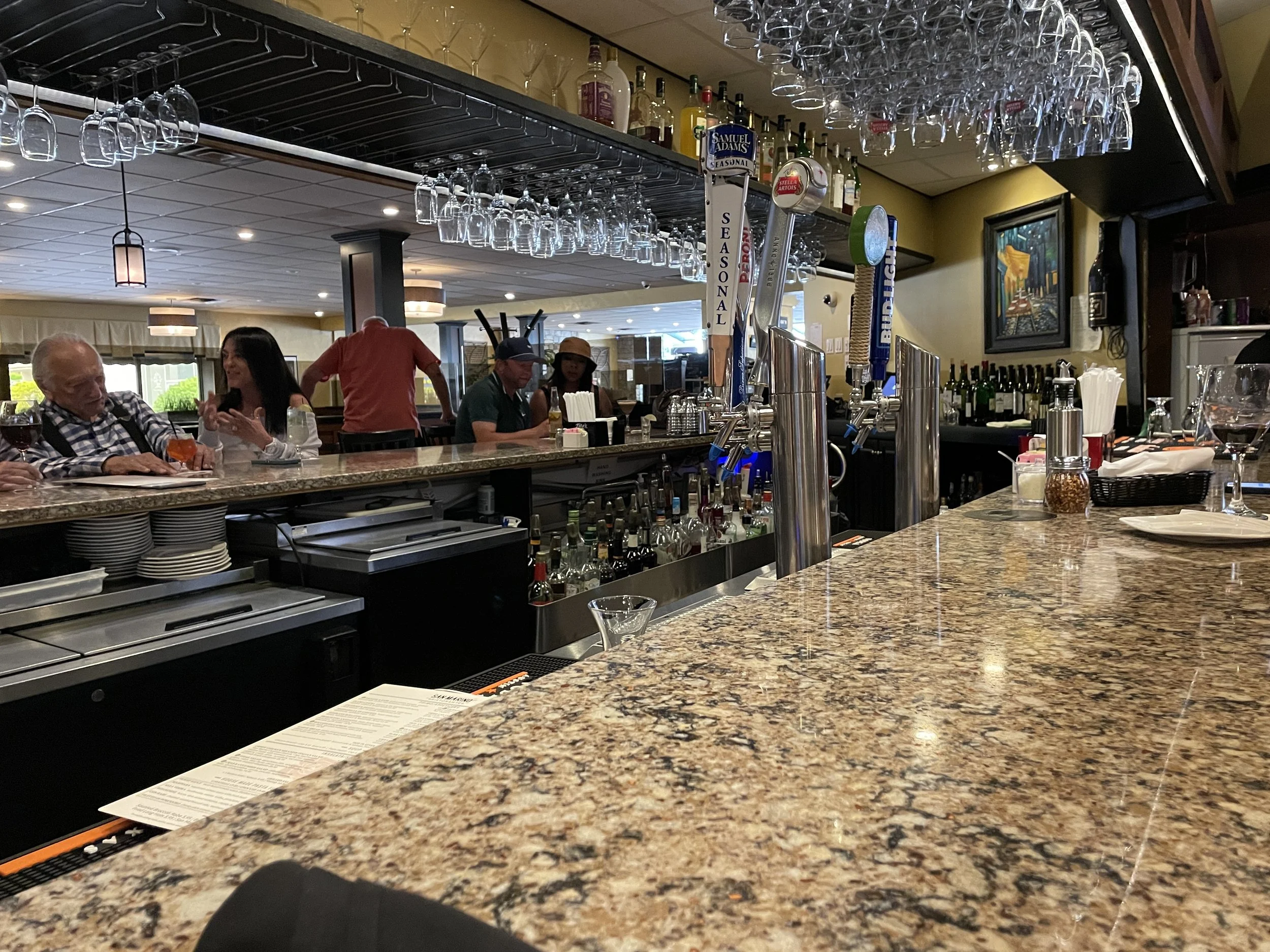
When we look at reviews for struggling Waterbury restaurants, a few themes come up repeatedly: "The food is good but the service is slow" — an operational and staff training problem. "It used to be better" — a quality consistency problem rooted in food cost cuts or training gaps. "Overpriced for the area" — a value positioning problem that a menu redesign can address. "Felt ignored when we walked in" — a hospitality training problem we fix through service excellence training. Every one of these is fixable. None of them requires a full rebrand or a new concept. They require focus, training, and systems.
Building Your Digital Presence in Waterbury
Many strong Waterbury restaurants are invisible online. No social media presence. An outdated website. No strategy for encouraging reviews. In 2026, that means you're invisible to an entire segment of potential customers who research before they leave home. Paid social media targeting in a market like Waterbury is remarkably cost-effective. The competition for digital attention from local restaurants is lower than in Hartford or New Haven — which means your ad dollar goes further and your content stands out more easily. Online ordering and third-party delivery are also significant opportunities in Waterbury. Families ordering dinner, workers picking up lunch — these are real revenue channels that many independent Waterbury restaurants haven't fully developed.
The Inventory and Cost Control Opportunity
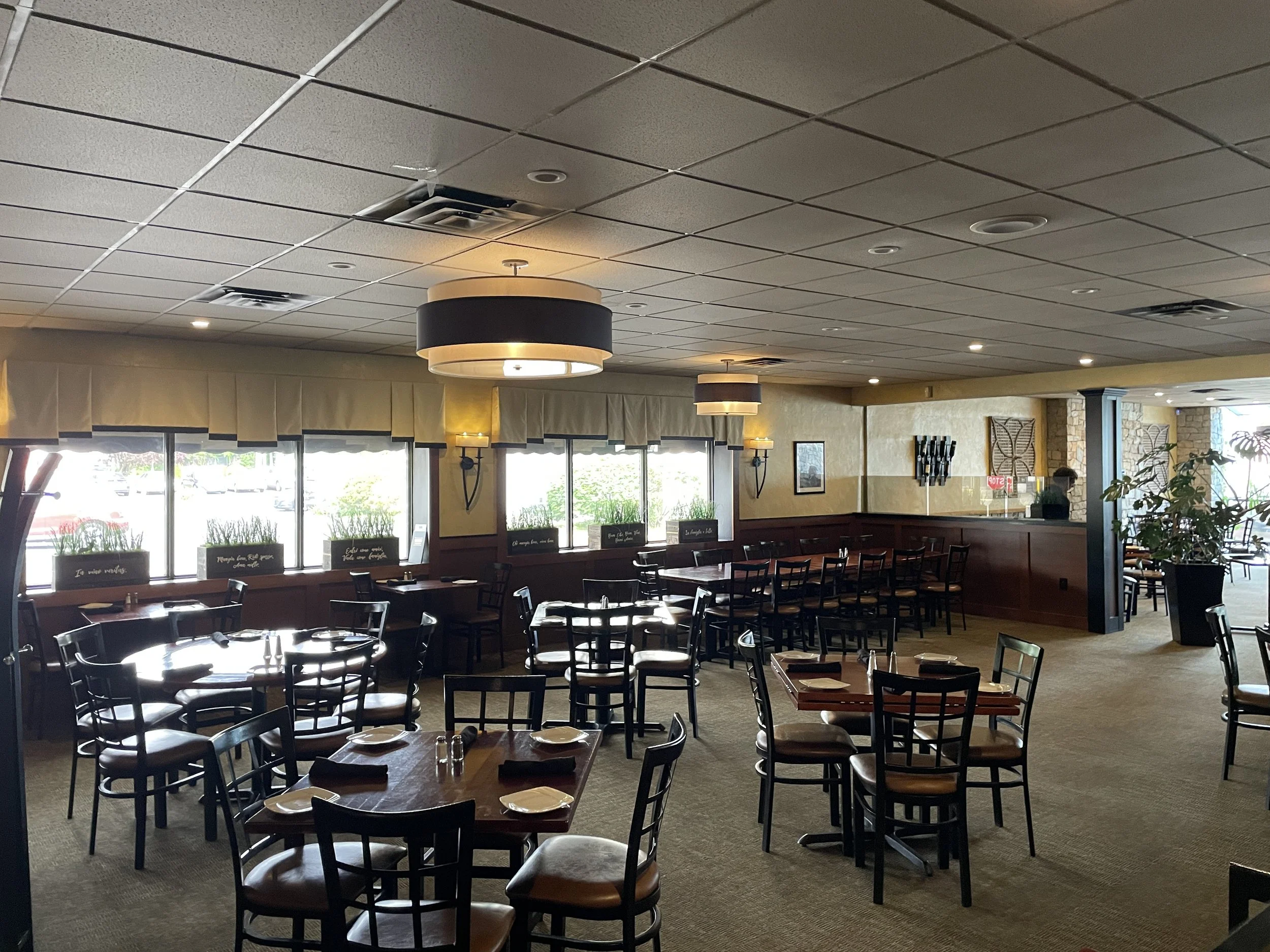
In a price-sensitive market like Waterbury, food cost control and inventory management are not optional disciplines — they're survival tools. We work with Waterbury operators to implement weekly inventory tracking that catches leakage, reduces waste, and gives them accurate COGS numbers every week instead of a surprise at month end. Labor scheduling is equally critical. With tighter margins than higher-income markets, every unnecessary labor hour cuts directly into profitability. We build scheduling systems around your actual traffic data — not gut feel.
The Opportunity in Waterbury
Here's what doesn't get said enough: Waterbury is underserved by quality restaurants relative to its population size. With nearly 117,000 residents, this is a city that can absolutely support well-run, thoughtfully marketed restaurants. The operators who build a real relationship with this community — who show up, stay consistent, and treat every customer like they matter — build something that lasts. At 5 Loaves Restaurant Consulting, we work with restaurant owners across Connecticut who are ready to stop guessing and start building. We understand the Waterbury market, and we bring real restaurant experience to every conversation.
Food cost reduction — guaranteed 5% savings on COGS
Menu design and engineering — increase check averages without raising prices
Staff training and service excellence — consistent hospitality on every shift
Social media and email marketing — build loyalty and reach new guests
Paid social media targeting — reach Waterbury diners directly
Scheduling and labor management — cut costs without cutting quality
Inventory management — stop losing money you don't know you're losing
Online ordering optimization — add $2,000+ in monthly revenue
Website design — turn visitors into guests
Let's talk about your Waterbury restaurant. The first consultation is on us. Contact 5 Loaves Restaurant Consulting → 📞 (203) 586-9472 5 Loaves Restaurant Consulting offers restaurant consulting, menu design, staff training, and marketing strategy to restaurants throughout Connecticut, including Waterbury and the Naugatuck Valley.