Adam Lang of A Space To Thrive — Why Restaurant Teams Are the Real Product
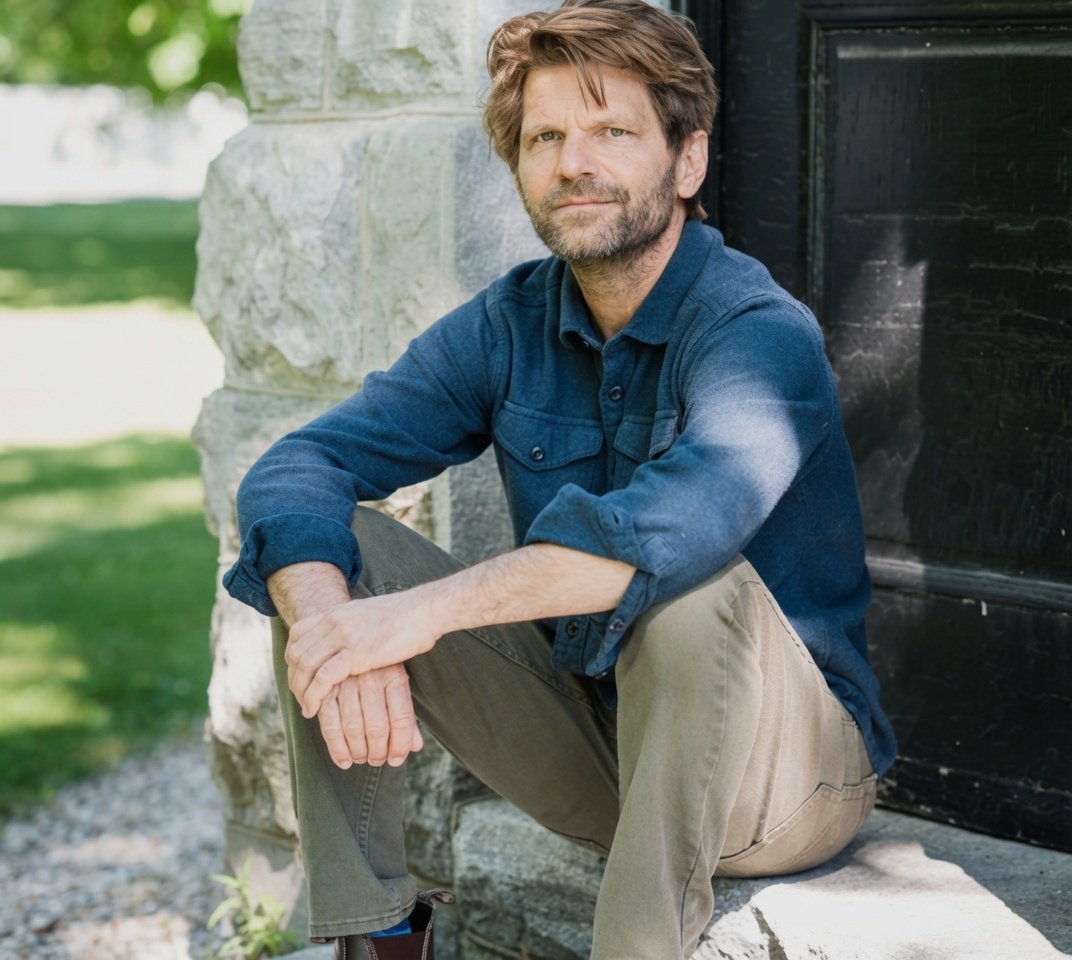
I recently had a conversation with Adam Lang, founder of A Space To Thrive, a Connecticut-based consulting practice that helps leaders and teams do their best work. What started as a professional introduction turned into an hour-long conversation about the thing that drives almost every restaurant problem I have ever encountered: the human relationships behind the operation.
Adam's background is not a straight line. He has worked in engineering, operations, analytics, and spent ten years teaching economics and human-centered design at a boarding school in Connecticut. That last piece is where his consulting methodology was born.
From the Classroom to the Boardroom
As Adam became a more experienced teacher, he stopped trying to put knowledge into students' heads and started creating learning environments where they could tap into their own curiosity, wisdom, and passion. Learning by doing. Learning through projects. Learning by trying things, failing, and redesigning.
When he left teaching, he wanted to bring that same methodology to adults in the working world. He launched seven learning programs in a learning center in Canaan, Connecticut in under a year and a half. The ambition was right. The timing was harder than expected. What he learned quickly was that in this day and age it is very hard to gather people together. There is a genuine thirst for adults to keep learning and growing, but he had to pivot and go to where they already were.
So he took Thrive directly into businesses. Into the rooms where teams were already struggling. And he started listening before he started talking.
The Problems He Keeps Hearing
What Adam found across industries, including restaurants, nonprofits, healthcare organizations, and online retail, was that the problems are almost universal. Our meetings are a waste of time. We cannot scale without losing our culture. We do not know what to do with AI. Our high performers are burning out and leaving. Revenue is flat and nobody agrees on why.
These are not technology problems. They are not strategy problems. They are human problems. And the solution Adam brings is not a slide deck full of recommendations. It is a structured process that helps teams identify their own barriers, communicate their own visions, and design their own solutions.
The methodology is built on active listening, experimentation, and what Adam calls "How Might We" questions. Open-ended prompts that invite teams to explore possibilities rather than defend positions. It sounds simple. It is extraordinarily hard to execute in environments where everyone is moving fast and nobody has time to sit in a circle and talk to each other.
What He Found Inside a Connecticut Restaurant
Adam is currently working with a restaurant, inn, and gathering space in Connecticut. The place produces a genuinely excellent product. The service quality is real. And yet the management team was burning out, revenue was slipping, and the general manager could not get traction in his weekly team meetings despite years of wanting to run them well.
Front of house and back of house were not aligned. People were working incredibly hard but not in coordination with each other. The team had not launched anything new in a while. There was unspoken tension everywhere.
Adam ran two ninety-minute facilitated workshops with the full management team of nine managers and the GM. No technology. Sitting in a circle. Each person wrote for five minutes about their vision for their department and then shared it with a partner. The partner listened without speaking, then asked three follow-up questions. Then each person reported their partner's vision to the whole group, not their own. If you have to report someone else's vision, you have to actually listen to them.
He sent them home with homework. Find your partner in the next two weeks. Start a conversation with the words "How are you?" That was it.
Two weeks later the team came back. They went deeper. The output was a set of "How Might We" questions handed to the GM as a framework for his Friday team meetings. A couple months after that the GM came back asking for one-on-one leadership development sessions for two of his managers because the work was producing real results.
This is what genuine restaurant staff training and team development actually looks like when it is done right. Not a one-day seminar. Not a manual. A structured process that builds the human infrastructure that everything else runs on.
Why This Matters for Restaurant Owners
Every restaurant problem I have ever worked on as a restaurant management consultant has a human dimension that the operational fix alone cannot address. You can rebuild the food cost system. You can redesign the scheduling. You can engineer the menu and build a proper cocktail program. But if the front of house and back of house are not communicating, if the managers are burned out and running flat team meetings, if the staff do not feel like they are working toward something together, the operational improvements will underperform every time.
Adam Lang is working on the layer underneath the operations. The human relationships that either make everything work or quietly undermine everything that should.
If you are a restaurant owner or general manager dealing with team alignment issues, burnout, or communication breakdowns that are showing up in your guest experience, his work at A Space To Thrive is worth a serious look. He works with teams across Connecticut and beyond through workshops, leadership development sessions, and working retreats.