Restaurant Management Consulting Miami Beach: Turning Tourist Volume Into Real Profit
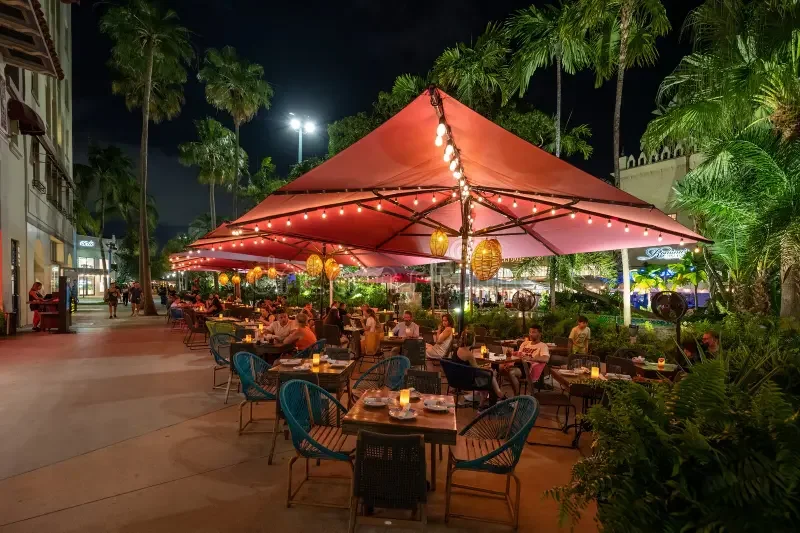
Miami Beach is the most visited tourist destination in Florida and one of the most operationally demanding restaurant markets in the country. South Beach alone draws approximately 10 million annual visitors. Miami Dade County's food and beverage sector brings in approximately $4.6 billion in visitor spending annually. The volume is real. The challenge is that volume alone does not build a profitable restaurant. Discipline does.
5 Loaves Restaurant Consulting works with independent restaurant operators throughout Miami Dade including Miami Beach. Our Miami restaurant consulting overview provides the strategic context every Miami Beach operator needs to understand before making operational decisions.
Miami Beach by the Numbers — Volume, Seasonality, and the Guest Who Never Returns
Population 82,031. Median household income $72,856. Median age 42.9 years. But the resident demographics are largely irrelevant to the Miami Beach restaurant equation. The customer filling your dining room on a Saturday night in February flew in from New York, Toronto, Buenos Aires, or London. They are on vacation, spending freely, and will never be back. What they will do is leave a Google review from the airport on Sunday morning that either builds or damages your reputation with the next thousand people who find you.
Miami Beach's dining landscape spans multiple distinct micro markets: Ocean Drive which is almost entirely tourist driven, Lincoln Road which mixes tourists with locals in a walkable outdoor setting, the Sunset Harbour neighborhood which has developed a genuine local dining culture, and the residential enclaves of South Beach and Mid Beach which support a year round community dining economy.
The Tourist Season Economy vs the Shoulder Season Reality — Two Very Different Businesses
Peak season in Miami Beach, roughly November through April, brings the volume, the check averages, and the energy that the restaurant exists for. A well positioned restaurant during season can do the kind of numbers that make the whole year feel sustainable.
Shoulder season and summer expose every operational weakness that peak season volume was covering. A restaurant that runs 34% food cost when the dining room is full cannot survive on 34% food cost when it is half empty. The labor model that works when you are turning tables three times a night falls apart when you are turning them once. The operators who last in Miami Beach are the ones who build the systems to run efficiently in both conditions.
Five Operational Problems Every Miami Beach Restaurant Owner Needs to Fix
First, they let food cost run loose during high season because the revenue covers it. This is the single most dangerous habit in a seasonal restaurant market. Building disciplined food cost controls during peak season is what makes the shoulder season survivable. A restaurant that has never run below 33% food cost has never actually been tested.
Second, they do not invest in staff training that can deliver a consistent experience when the owner is not watching. Miami Beach tourists are reviewing your restaurant on Google and TripAdvisor in real time. A bad experience posted at 11pm on a Saturday is being read by the next customer before they decide whether to walk in Sunday morning. The only defense is a team trained to a documented standard that does not require supervision to execute.
Third, they do not manage the seasonal staffing transition. Miami Beach's hospitality workforce is transient. Staff come for the season and leave. A restaurant that builds its operation around specific individuals rather than documented systems will rebuild from scratch every fall and every summer. The operators with real training programs bring new staff to standard in two weeks. The ones without spend the first month of every season doing damage control.
Fourth, they ignore the inventory management reality of a high volume tourist market. Waste, theft, and over purchasing are all magnified when volume is high and oversight is loose. In a market where ingredient costs are already elevated by Miami's supply chain dynamics, a restaurant running loose inventory controls is burning money every shift.
Fifth, they do not think strategically about their off-season programming. As we cover in our Miami restaurant consulting overview, the Miami market's geographic fragmentation means that a Miami Beach restaurant's off-season strategy needs to be different from what works for a Coral Gables or Brickell operator. Local programming, resident discounts, and community building during the slow months are what keep a Miami Beach restaurant relevant when the tourists go home.
What Miami Beach's Most Durable Operators Have Built
The restaurants that have survived and thrived in Miami Beach across multiple seasons share one characteristic: they built businesses that can make money in February and in July. They run tight food costs, train real teams, manage their reviews actively, and plan their seasonal transitions with the same intentionality they bring to their opening weeks. The concept is what gets the tourist in the door. The systems are what keep the business alive when the tourists leave.
Ready to Talk
If you operate a restaurant in Miami Beach and want to build something that actually makes money in one of the country's most competitive seasonal markets, reach out today.
Call us at (203) 586-9472 or visit 5-loaves-marketing.com.
Contact 5 Loaves Restaurant Consulting for a free consultation about your Miami Beach restaurant operation.
5 Loaves Restaurant Consulting works with independent restaurant owners across the US including Connecticut, Miami, and Florida. Our consulting services include food cost management, staff training, menu design, cocktail programs, labor and scheduling, and operational systems for independent operators.