Training New Bar Staff From Zero — What to Cover First

I walked into a Connecticut restaurant recently to do a bar training session for two new staff members. One had poured beer and wine at her last job but had never made a cocktail. The other had essentially no bar experience at all. By the end of the session, both of them had made balanced margaritas, understood the difference between spirits and liqueurs, and could explain the four count pour method. That is what a focused, well-sequenced training looks like.
The mistake most restaurants make with new bar staff is either throwing them in with no training and hoping they figure it out, or overwhelming them with every cocktail recipe on the menu on day one. Neither approach works. Here is the sequence that does.
Start With the Alcohols
Before a new bartender can make anything, they need a basic working knowledge of the spirits they will be pouring. Not a deep dive into the history of Scotch whisky. A practical understanding of the major categories, their flavor profiles, and their most common uses.
Vodka is essentially tasteless and is ideal for mixing. Tequila is an upper, it is made from agave, and it is currently the most popular spirit in the market alongside vodka. Rum is sweet and close to a liqueur. Whiskey, bourbon, and scotch are all variations on the same grain-based spirit category, with regional differences. Gin has a distinctive pine and botanical character that makes it polarizing. That is enough to get started.
The difference between spirits and liqueurs is also fundamental. Anything under 50 proof, or 25% alcohol, is a liqueur. Liqueurs are flavoring agents with alcohol in them, not primary spirits. Triple sec, Kahlua, Chambord, these are liqueurs. Your new staff need to understand this distinction before they start building recipes.
Pour Technique Before Recipes
The four count pour method should be the next thing you teach, before any specific cocktail recipes. Once a bartender has a reliable counting method, every recipe becomes executable regardless of whether they have made that specific drink before. Without it, every new recipe is a guessing game.
Practice with water. Measure everything. Build the muscle memory before touching actual product. This is the foundation that every other bar skill is built on, and it is directly connected to your cost control and inventory management.
The Balanced Cocktail Formula
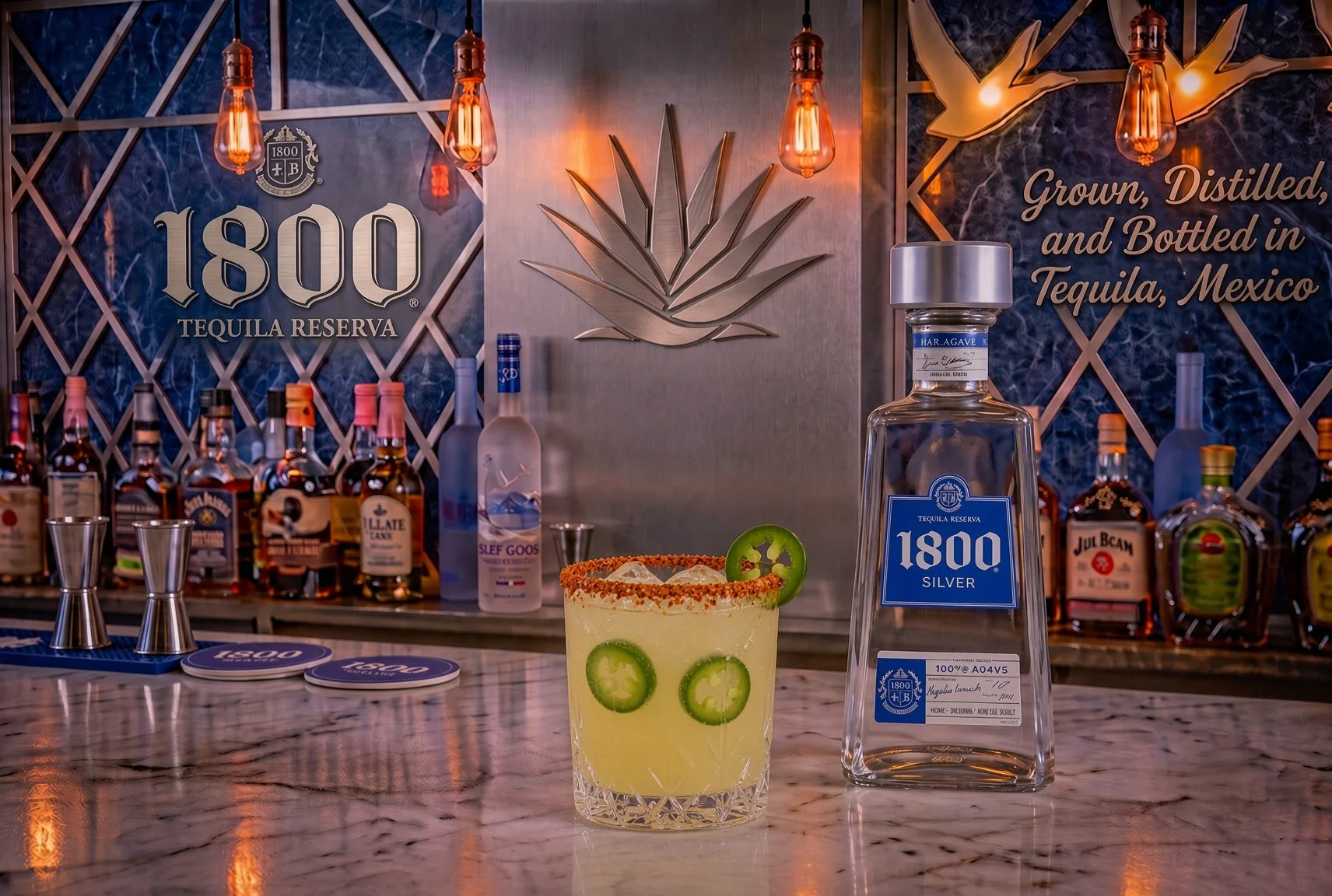
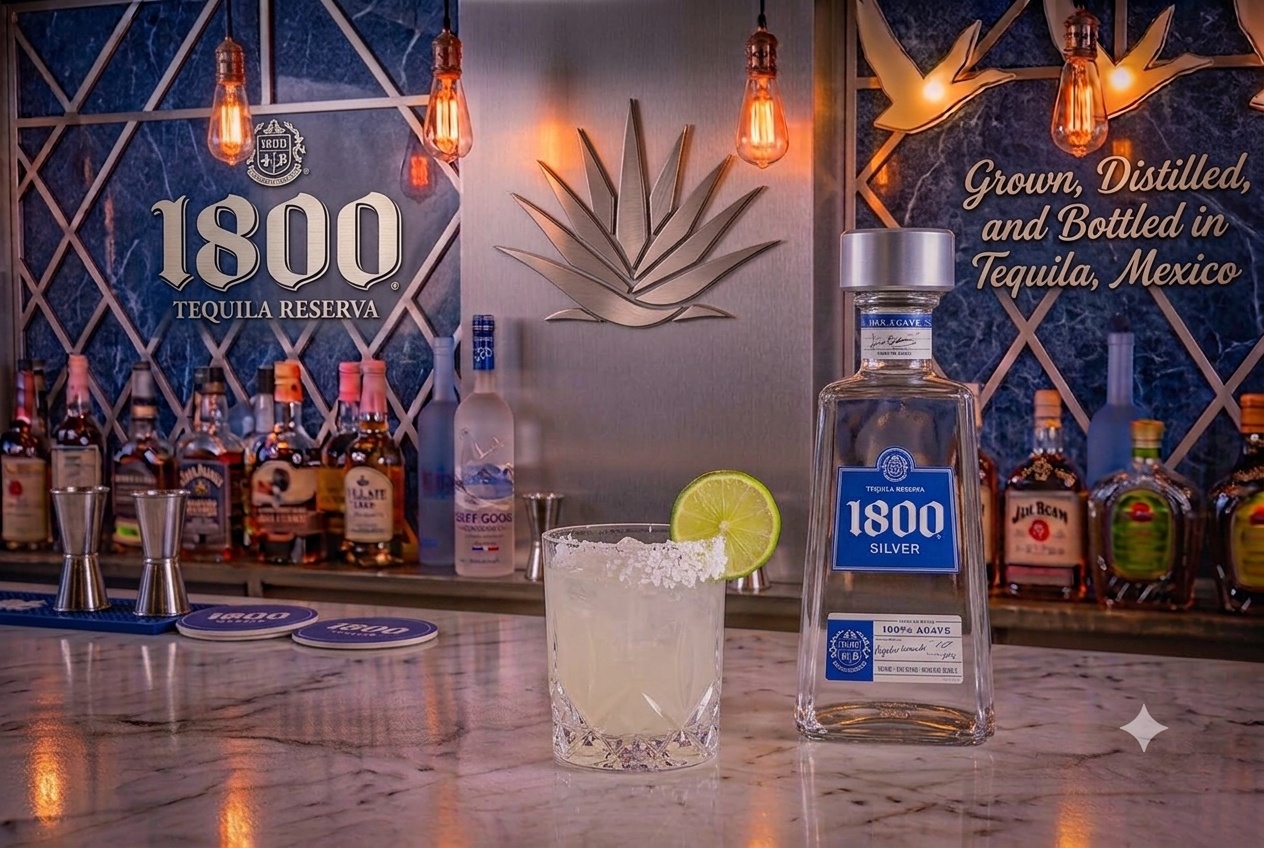
Once pour technique is established, teach the one third rule. One third alcohol, one third citrus, one third sugar. Have the new staff make a margarita using this formula and taste it. Then have them adjust it. Then make it again. The goal is to develop their palate and their instinct for balance, not just their ability to follow a recipe.
A bartender who understands balance can troubleshoot any cocktail on your menu when something is off. A bartender who only knows recipes is helpless the moment something goes wrong.
The Importance of No Bad Habits
One of the advantages of training staff with no bar experience is that they have no bad habits to unlearn. A new bartender who learns the four count pour from day one will do it correctly forever. An experienced bartender who has been free-pouring carelessly for five years will fight the correction every step of the way.
This is something I tell restaurant owners regularly when they are weighing experienced hires against inexperienced ones for bar positions. Experience has value, but so does a clean slate. The right hiring approach considers both factors.
At 5 Loaves Restaurant Consulting, we run bar training programs for Connecticut restaurants that cover everything from basic alcohol knowledge through cocktail execution and service standards.
Contact us for a free consultation about your bar training needs.
5 Loaves Restaurant Consulting serves restaurants across Connecticut including Torrington, Hartford, New Haven, Waterbury, Litchfield County and surrounding areas.