Line Cook Job Description: Duties, Daily Responsibilities, and What to Expect on the Line
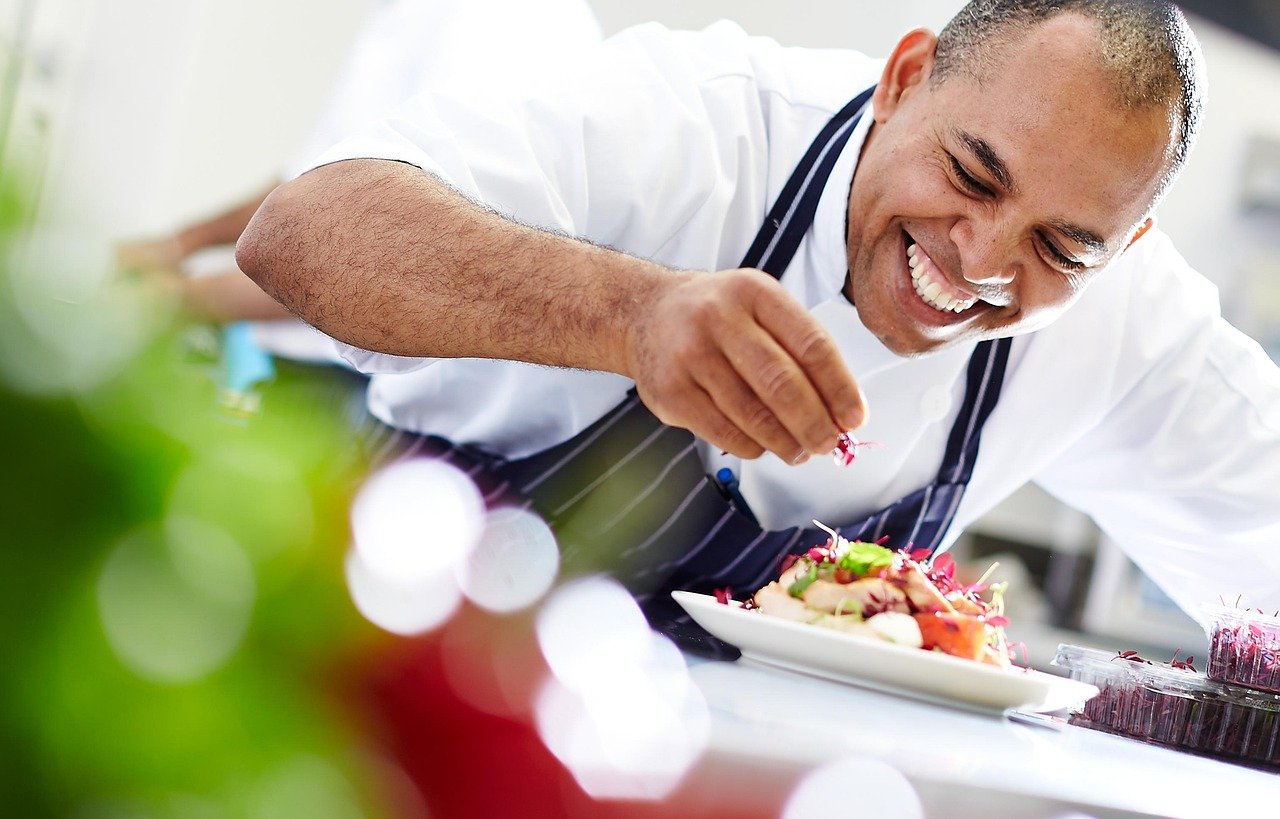
The line cook is the backbone of every restaurant kitchen. This is the position that executes the menu, plate after plate, night after night. A great line cook combines speed, consistency, and discipline to produce food that meets the chef's standards under intense pressure. The role is physically demanding, mentally taxing, and absolutely essential to the success of any restaurant. Below is a complete breakdown of the responsibilities and qualifications that define the position.
Job Responsibilities
Prepare and cook menu items according to recipes and standards
The line cook's primary job is execution. Every dish that leaves the kitchen must match the recipe, the portion size, and the presentation standard exactly. This means following established recipes without shortcuts, plating consistently, and producing the same quality on the 50th ticket of the night as the first. Consistency is what separates a professional line cook from someone who is just cooking.
Set up and stock your station before service
A line cook's shift starts long before the first ticket comes in. Mise en place is everything. This means cutting proteins, portioning sides, prepping sauces, stocking backups, and organizing the station so every ingredient is within reach and ready to go. A properly set up station is the difference between a smooth service and one that falls apart.
Work the assigned station efficiently during service
Whether it is the grill, saute, fry, or cold station, the line cook owns their position and is responsible for every dish that comes off it. During a rush, this means managing multiple tickets simultaneously, timing dishes so everything for a table comes up together, and communicating clearly with the rest of the line about firing times and delays.
Maintain food quality and portion control on every plate
Every plate that leaves the window represents the restaurant. A line cook who starts cutting corners on portions, skipping garnishes, or rushing plating when it gets busy is directly hurting the guest experience and the restaurant's food cost. Maintaining the standard when the pressure is highest is what defines a reliable line cook.
Follow all food safety and sanitation protocols
The line cook is responsible for safe food handling at their station. This includes proper storage temperatures, correct labeling and rotation of product, clean cutting boards and surfaces, and following health code standards throughout the shift. Food safety is not optional and it is not something that gets relaxed when the kitchen gets busy.
Communicate with the chef and the rest of the line
The kitchen runs on communication. A line cook needs to call back orders, announce timing, flag when they are running low on a prep item, and alert the chef immediately if something goes wrong with a dish. A quiet line cook is a dangerous line cook. Clear, loud, consistent communication keeps the entire kitchen in sync during service.
Receive and properly store deliveries and inventory
Line cooks are often responsible for checking in deliveries, verifying quantities and quality, and storing product correctly using first in first out rotation. Catching a short delivery or a case of bad produce before it goes into the walk in saves the restaurant money and prevents service problems later in the week.
Break down and clean the station at the end of service
When the last ticket is served, the work is not done. The line cook breaks down their station, wraps and labels all remaining product, cleans every surface, and leaves the station ready for the next shift. A clean breakdown protects food quality, maintains health standards, and shows respect for the team coming in next.
Key Qualifications
Speed and efficiency under pressure
The line is a high pressure environment, especially during a dinner rush. A strong line cook works fast without sacrificing quality, stays calm when tickets are stacking up, and never lets the pace of service dictate the standard of the food. Speed that comes at the expense of consistency is not speed. It is a problem.
Consistency and attention to detail
A line cook might produce the same dish dozens of times in a single shift. Every one of those plates needs to look and taste the same. Attention to detail on portioning, seasoning, cooking temperatures, and presentation is what makes a kitchen reliable. Guests come back because they know exactly what they are going to get.
The ability to take direction and execute
The line cook works under the direction of the chef or sous chef. This means following instructions precisely, accepting feedback without ego, and making adjustments immediately when something is corrected. The kitchen is not the place for improvisation unless you have been given the authority to improvise.
Physical endurance and mental toughness
Line cooking is one of the most physically demanding jobs in the restaurant. Long hours standing in front of a hot grill or saute station, lifting heavy pots, moving quickly in tight spaces, and maintaining focus for an entire service requires real physical and mental stamina. The best line cooks thrive in that environment and take pride in getting through the hardest shifts.
Teamwork and reliability
The line only works when every station works. A line cook who shows up late, calls out frequently, or cannot be counted on during a rush hurts the entire team. Reliability is one of the most valued qualities in any kitchen, and a line cook who consistently shows up ready to work earns the respect of every chef they work under.