Server Job Description: Duties, Responsibilities, and What Great Service Actually Looks Like
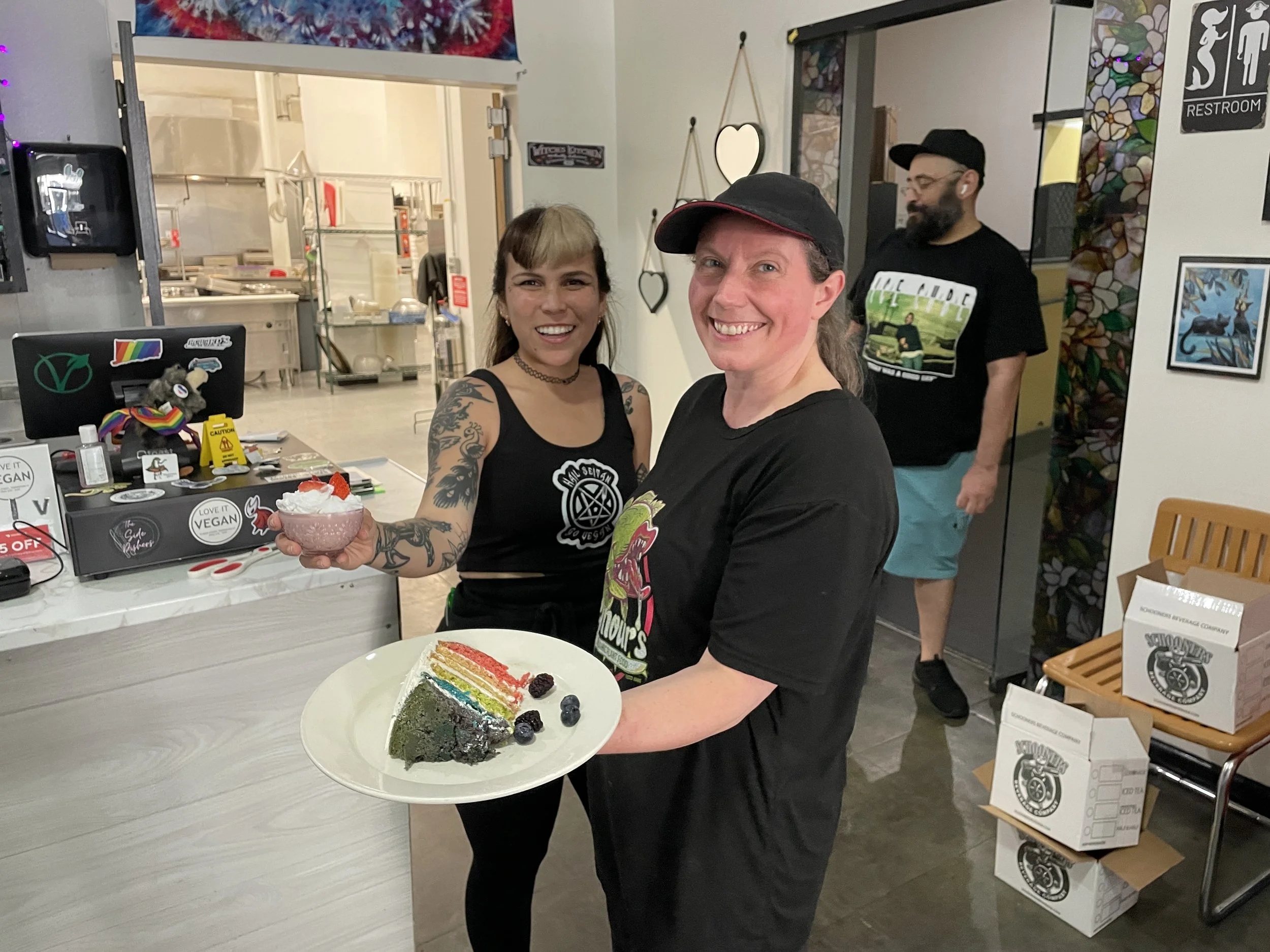
The server is the primary point of contact for every guest throughout the entire dining experience. This role goes far beyond taking orders and dropping plates. A great server reads the table, guides the experience, drives revenue through thoughtful recommendations, and makes every guest feel like the most important person in the room. Below is a complete breakdown of the responsibilities and qualifications that define the position.
Job Responsibilities
Take accurate food and drink orders
Getting the order right is the foundation of everything else. A strong server listens carefully, confirms details, notes modifications and allergies, and enters everything into the POS system correctly the first time. Mistakes at this stage ripple through the entire experience and cost the restaurant money in remakes and comps.
Deliver food and beverages promptly and correctly
Every plate should arrive at the right seat, at the right temperature, at the right time. A great server does not auction food at the table by asking who ordered what. They know. Prompt delivery also means coordinating with the kitchen so courses are paced properly and nothing sits in the window.
Read the table and anticipate guest needs
This is the skill that separates a server from an order taker. Reading the table means recognizing when a guest needs a refill before they look for you, knowing when a couple wants to be left alone versus when a group wants engagement, and picking up on body language that signals the check is wanted or another round is coming. Anticipation is what turns good service into great hospitality.
Upsell appetizers, specials, drinks, and desserts
A server who can recommend a cocktail by name, describe a special with genuine enthusiasm, or suggest a dessert at the right moment is directly increasing the restaurant's revenue. Upselling is not pushy when it is done with knowledge and sincerity. It is hospitality. A server who can move a table from water and entrees to cocktails, an appetizer, entrees, and dessert is worth significantly more per shift than one who simply takes what the guest initially orders.
Manage multiple tables simultaneously without dropping service quality
On a busy night, a server may be running four to eight tables at once, all at different stages of their meal. The ability to prioritize, sequence tasks efficiently, and keep every table feeling attended to is what makes the difference between a server who can handle volume and one who falls apart when the floor fills up.
Handle guest complaints and special requests gracefully
Things go wrong in restaurants. Food comes out late, a steak is overcooked, a drink is made incorrectly. How the server handles those moments defines the guest's memory of the visit. A great server does not get defensive or make excuses. They acknowledge the issue, offer a solution, and make it right quickly. The same applies to special requests. The answer should never be an automatic no. It should be an effort to find a way to say yes.
Process payments and close out checks accurately
The end of the meal is the last impression, and fumbling the check or making an error on a charge can undo an otherwise great experience. A strong server presents the check at the right time, processes payments quickly and accurately, and thanks the guest sincerely on the way out.
Complete side work and maintain a clean section
Every server is responsible for keeping their section presentable throughout the shift. That means clearing finished plates promptly, wiping down tables, restocking their station, and completing assigned side work before and after service. A clean section signals professionalism and keeps the restaurant looking its best for every guest.
Communicate with the kitchen and bar to keep orders flowing
The server is the bridge between the guest and the back of house. Clear, timely communication with the kitchen about modifications, allergies, timing, and pacing keeps orders flowing smoothly. The same applies to the bar. A server who checks on drink status and relays timing to the guest keeps the experience seamless.
Key Qualifications
The ability to multitask under pressure
Serving is one of the most demanding multitasking jobs in any industry. A server is simultaneously managing orders, timing, guest interactions, payment processing, and communication with the kitchen, all while staying composed and friendly. The ability to stay organized when the floor is full is the single most important skill a server can have.
Strong menu knowledge and the ability to describe dishes confidently
A server should know every item on the menu, how it is prepared, what the key ingredients are, and what they would personally recommend. When a guest asks what is good, a confident and specific answer builds trust and drives higher check averages. Saying "everything is good" is not a recommendation. Saying "the short rib is braised for eight hours and it is the best thing on the menu" is.
A genuine hospitality mindset
Hospitality is not a script. It is a genuine desire to make someone's experience better. The best servers care about their guests and it shows in every interaction, from the first greeting to the final thank you. This quality cannot be taught from a manual, but it can be identified during hiring and reinforced through training.
Clear communication with both guests and the back of house
Miscommunication is behind most service failures in a restaurant. A server who communicates clearly, whether it is repeating an order back to a guest, calling out an allergy to the kitchen, or flagging a timing issue to a manager, prevents problems before they happen.
Physical stamina for long shifts on your feet
Serving is physically demanding. A busy dinner shift can mean six to eight hours on your feet without sitting down, carrying heavy trays, moving quickly between the dining room and the kitchen, and staying energetic and positive the entire time. Physical endurance is not optional in this role.