Prep Cook Job Description: Duties, Responsibilities, and Why This Role Makes or Breaks Your Kitchen
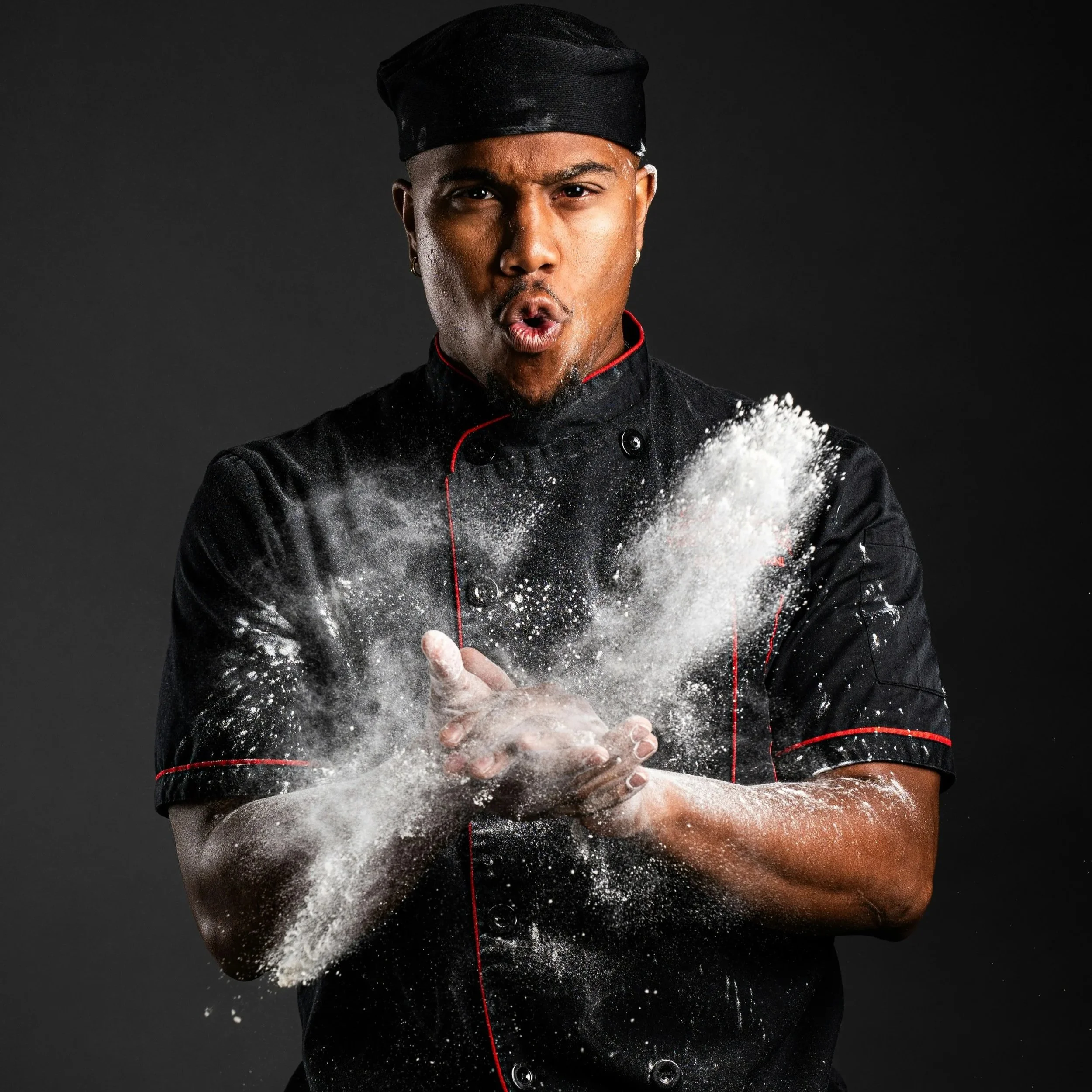
The prep cook is the foundation the entire kitchen is built on. Every dish that comes out of the line during service depends on work that was done hours earlier by the prep cook. When prep is done right, the kitchen runs smoothly, the line cooks have everything they need, and service moves without delays. When prep falls short, the entire operation feels it. Below is a complete breakdown of the responsibilities and qualifications that define the position.
Job Responsibilities
Wash, peel, chop, and portion ingredients for the line
The core of the prep cook's job is preparing raw ingredients so the line cooks can execute during service. This means washing produce, peeling and dicing vegetables, portioning proteins, measuring out sauces and dressings, and breaking down bulk product into service ready portions. Every cut, every portion, and every measurement needs to match the chef's specifications exactly.
Follow recipes and prep lists accurately
The prep cook works from a daily prep list that outlines exactly what needs to be prepared and in what quantities. Following that list precisely, without skipping items or changing quantities, is essential. Overprepping wastes product and money. Underprepping means the line runs out during service and the kitchen scrambles. Accuracy on the prep list is one of the most valuable things a prep cook can deliver.
Prepare sauces, stocks, dressings, and marinades
Many of the building blocks of a menu are made during prep. Stocks that simmer for hours, sauces that require careful technique, dressings that need to be emulsified correctly, and marinades that need time to work all fall on the prep cook. These items directly affect the flavor of every dish they touch, so precision and consistency matter.
Label, date, and store all prepped items properly
Every item the prep cook produces must be labeled with the product name, the date it was prepared, and the use by date, then stored in the correct location at the correct temperature. Proper labeling and storage protects food safety, ensures first in first out rotation, and prevents waste from product that expires because nobody knew when it was made.
Maintain a clean and organized prep station
A clean station is a fast station. The prep cook keeps their work area sanitized throughout the shift, disposes of waste properly, and organizes ingredients and tools so everything is accessible and efficient. A messy prep area slows down production and creates food safety risks.
Receive and inspect deliveries
The prep cook is often the first person to handle incoming product. This means checking deliveries against the order, inspecting product quality, verifying quantities, and flagging any issues with the chef or manager before the delivery truck leaves. Catching a problem at the receiving door prevents a bigger problem during service.
Assist the line during service when needed
In many kitchens, the prep cook's shift overlaps with the beginning of service. When the line needs support, whether it is running a backup batch of a sauce, portioning more protein, or helping plate during a rush, the prep cook steps in. The ability to shift from prep mode to service support mode makes the prep cook a more valuable member of the kitchen team.
Maintain equipment and report issues
The prep cook uses knives, food processors, mixers, slicers, and other kitchen equipment daily. Keeping that equipment clean, properly stored, and in working condition is part of the job. When something is dull, damaged, or malfunctioning, reporting it immediately prevents bigger problems and keeps the prep line running safely.
Key Qualifications
Strong knife skills and basic cooking techniques
The prep cook spends most of the day with a knife in hand. Clean, consistent cuts at a steady pace are essential. Beyond knife work, a solid prep cook understands basic cooking techniques like blanching, roasting, reducing, and emulsifying. These skills directly affect the quality of every item they produce.
The ability to follow directions precisely
The prep cook works under the direction of the chef or sous chef. This means following recipes exactly, producing the quantities on the prep list, and making adjustments only when instructed. Precision and discipline are more important in this role than creativity. The time for creativity comes later in a kitchen career.
Organization and time management
A prep cook may have a list of 20 to 30 items to complete before service begins. Prioritizing that list, managing time so that everything is finished on schedule, and organizing the workflow efficiently so nothing is forgotten requires strong organizational skills. A prep cook who consistently finishes their list on time and at standard is worth their weight in gold to any chef.
Physical endurance and the ability to work on your feet
Prep shifts are long and physically demanding. Hours of standing, repetitive cutting, lifting heavy cases of product, and working in a hot kitchen require real stamina. The prep cook needs to maintain the same quality and pace at the end of the shift as at the beginning.
Reliability and consistency
The kitchen depends on the prep cook to show up and deliver every single day. If the prep cook calls out or falls behind, the ripple effect hits every station on the line during service. Being reliable, showing up on time, completing the prep list fully, and maintaining consistent quality is the most important trait a prep cook can have.