The IPA Experiment: Why Most Customers Can't Tell the Difference (And What It Means for Your Bar Program)
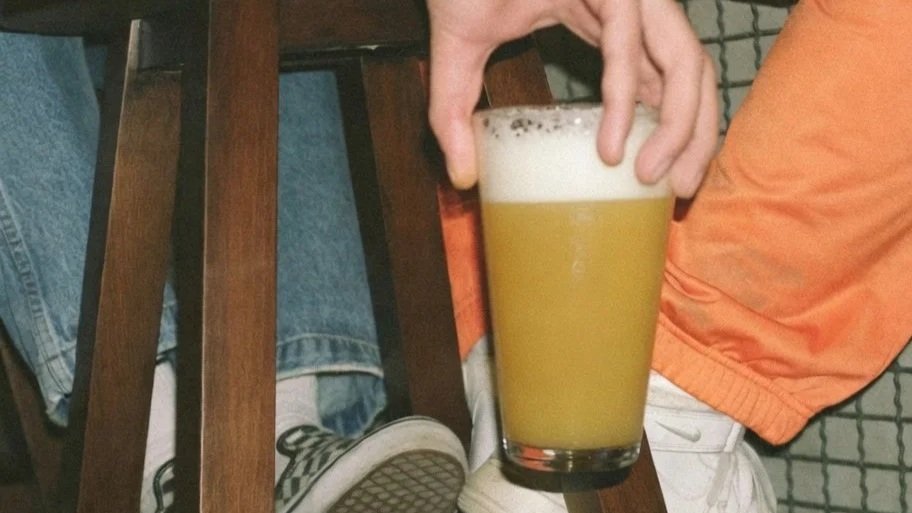
I am going to tell you a true story that I share in almost every bar training I run. Years ago I was working at a sports bar that had twenty beers on tap. Twelve of them were IPAs. I had a suspicion that most guests could not actually distinguish between one IPA and another, regardless of what they claimed to prefer. So I ran an experiment.
For the next one hundred IPA orders, no matter which specific IPA a guest asked for, I poured them a different one. I kept a tally. Out of one hundred customers who ordered a specific IPA and received the wrong one, exactly one person noticed. He was a regular who came in every day specifically for one particular beer called Counterweight Headway, and he caught it immediately. The other ninety-nine guests drank their beer, said nothing, and were perfectly happy.
What This Means and What It Does Not Mean
I am not sharing this story to suggest that restaurant owners should deceive their guests. I am sharing it because it reveals something important about guest perception that has direct implications for how you manage your bar program.
Most guests are not the expert connoisseurs they believe themselves to be. They have preferences, but those preferences are often driven by familiarity and suggestion as much as by genuine taste discrimination. When a server confidently recommends a specific beer or cocktail, many guests will accept that recommendation and enjoy the experience fully. When a server hesitates or says they are not sure, that uncertainty transfers to the guest and shapes their perception of what they receive.
The Whiskey Exception
The IPA story does not apply to whiskey. I tell new bar staff this explicitly. Whiskey drinkers, especially those who drink premium or single malt whiskeys, often have extremely developed palates and will notice substitutions immediately. The higher the end of the whiskey, the more dangerous it is to assume the guest cannot tell the difference. Whiskey is the category where you genuinely cannot run my IPA experiment and expect the same result.
This distinction matters for your staff training because it teaches your team to calibrate their assumptions about guest expertise based on what the guest is drinking, not a blanket assumption about all guests.
The Recommendation Opportunity
The IPA experiment also reveals a significant upsell opportunity. If most guests cannot tell the difference between a mid-range IPA and a premium one, a well-trained server who confidently recommends the premium option and describes it compellingly will convert a meaningful percentage of those guests. That conversion happens through confidence and description, not through the guest's innate ability to distinguish products.
This is the foundation of effective suggestive selling training. Your staff do not need to be deceptive. They need to be knowledgeable, confident, and enthusiastic about what they are recommending. That combination moves product and increases check averages in ways that benefit both the guest experience and your bottom line.
At 5 Loaves Restaurant Consulting, we incorporate guest psychology and suggestive selling into all of our bar and floor training programs for Connecticut restaurants.
Contact us for a free consultation about your staff training program.
5 Loaves Restaurant Consulting serves restaurants across Connecticut including Torrington, Hartford, New Haven, Waterbury, Litchfield County and surrounding areas.