Understanding Liquors vs Liqueurs — What Your Staff Should Know
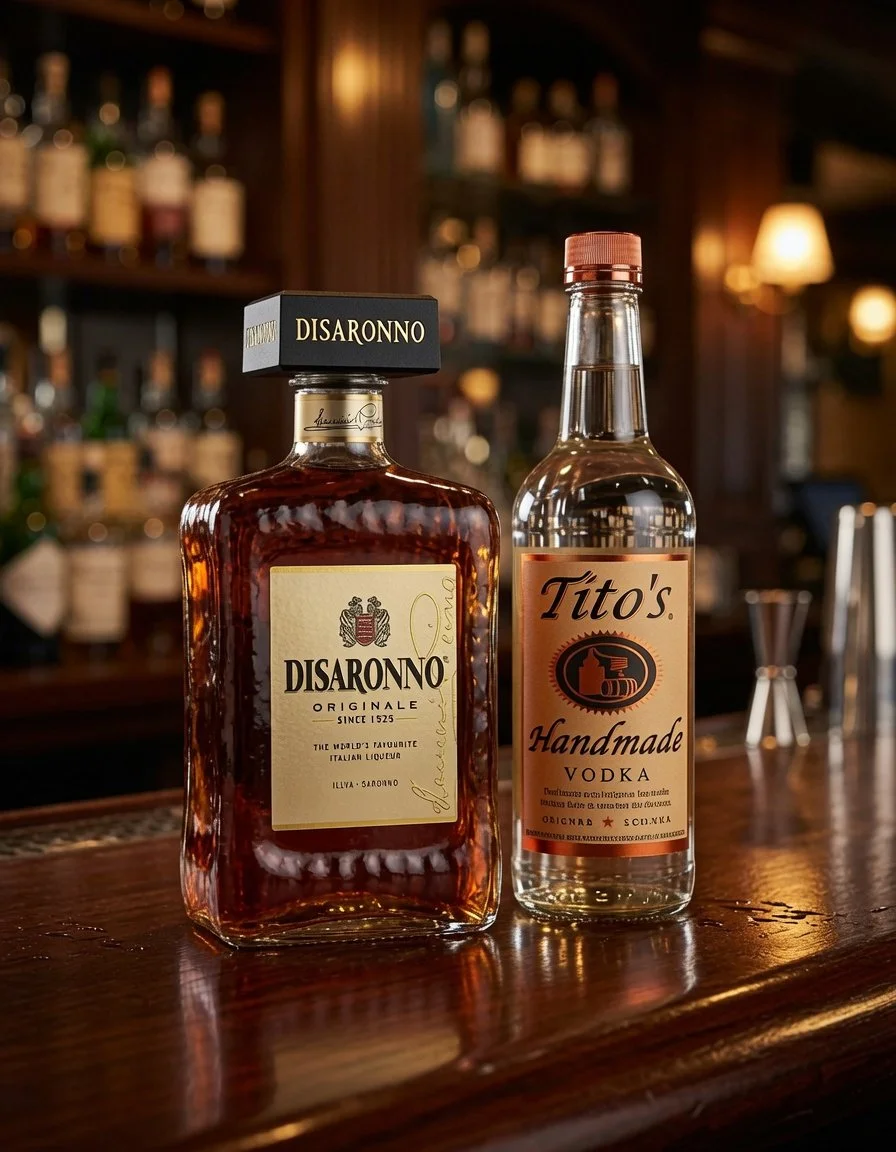
In every bar training I run, I ask the same question early on: what is the difference between a liquor and a liqueur? In most cases, I get a blank look or a guess that is somewhere in the vicinity of correct but missing the key detail. This distinction is fundamental to understanding how cocktails are built and why certain ingredients behave the way they do, and most restaurant bar staff have never been taught it clearly.
The Simple Distinction
Liquors are the hard spirits. Vodka, tequila, rum, whiskey, gin, brandy. These are high-proof alcohols, typically 40% ABV or 80 proof and above, that serve as the primary alcohol base in cocktails and mixed drinks.
Liqueurs are flavoring agents with alcohol in them. The simple rule I use is this: anything under 50 proof, which is 25% ABV, is a liqueur. Triple sec, Kahlua, Chambord, Amaretto, Baileys, Malibu coconut rum, these are all liqueurs. They are sweet, lower in alcohol, and used to add flavor and complexity to cocktails rather than serving as the primary spirit.
Why Rum Gets Confusing
Rum sits in an interesting middle ground that often confuses new bar staff. Standard rum is a spirit. But because rum is made from sugar cane and is inherently sweet, it behaves almost like a liqueur in cocktails. It is dense, it mixes differently than vodka or tequila, and it lends a sweetness that affects the balance of any cocktail it goes into. Staff who understand this can make better decisions about how to adjust a rum-based cocktail that is not quite balanced.
Malibu, which is labeled as coconut rum, is actually a liqueur at 21% ABV. It is not a spirit. Many new bartenders treat it like a spirit and overpour it dramatically, which throws off both the balance and the cost of whatever they are making with it.
The Practical Impact on Cocktail Building
Understanding the liquor versus liqueur distinction matters in practice because it changes how you think about proportion and balance. A cocktail recipe that calls for one ounce of triple sec is not asking for the same thing as one ounce of tequila. The triple sec is a flavoring agent. The tequila is the primary alcohol. If a bartender treats these two ingredients as interchangeable in terms of how generously they pour them, the cocktail will be completely wrong.
This kind of foundational knowledge is what makes the difference between a well-trained bar staff and one that is just following recipes without understanding. Staff who understand why recipes work can execute them better and troubleshoot them when something goes wrong.
Building a Knowledgeable Bar Team
A bar staff that understands their ingredients is a bar staff that can sell them. When a server or bartender can explain the difference between your well tequila and your premium tequila in terms that are meaningful to a guest, they convert more guests to the premium option. That conversion is pure margin improvement for your cocktail program.
At 5 Loaves Restaurant Consulting, we build comprehensive bar knowledge training programs for Connecticut restaurants that cover ingredient fundamentals, cocktail technique, and service excellence.
Contact us for a free consultation about your bar training program.
5 Loaves Restaurant Consulting serves restaurants across Connecticut including Torrington, Hartford, New Haven, Waterbury, Litchfield County and surrounding areas.