Tequila vs Vodka vs Rum — What Every Bar Training Course Should Cover
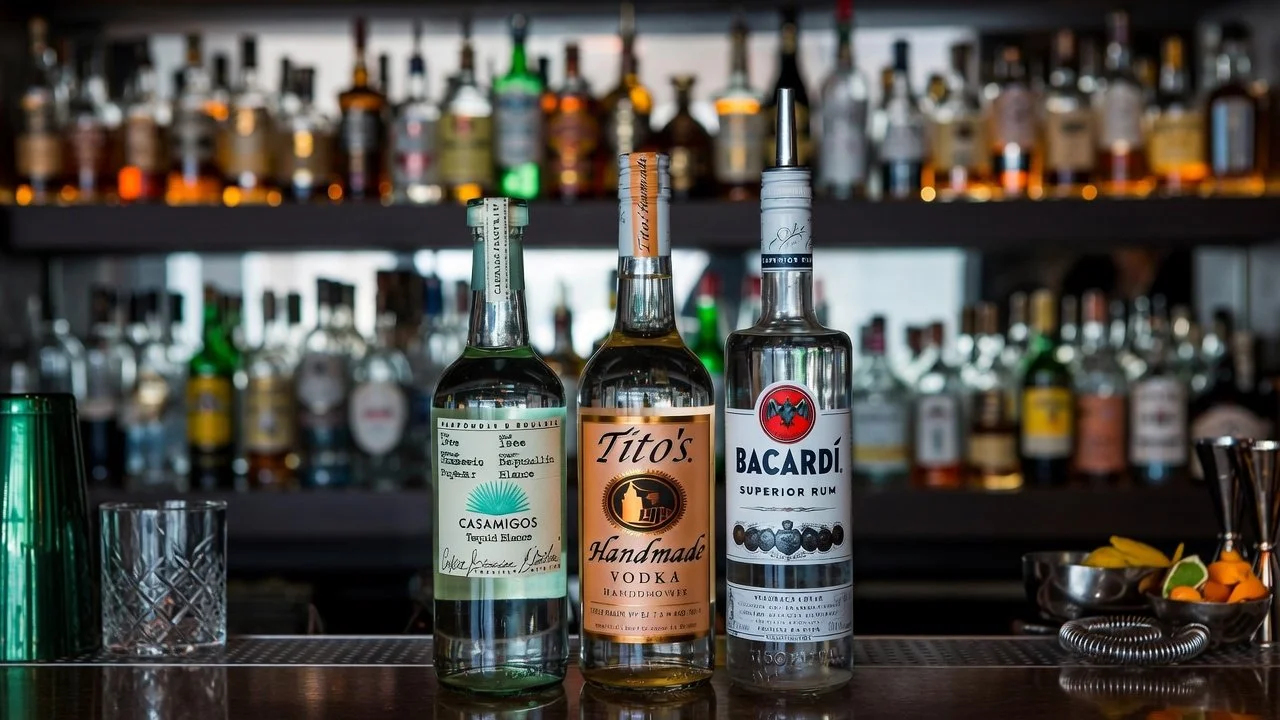
The way I explain the major spirits in every bar training program I run is this: your staff need to understand what each alcohol actually is and how it behaves, not just which bottle to grab when someone orders it. A staff member who comes out of a proper bartender training course knowing the character of each spirit will make better drinks, give better recommendations, and handle guest questions with confidence instead of guessing.
This is foundational material in any serious bar training course, and it is one of the first things I cover when building a bar training program for independent restaurants.
Vodka
Vodka is essentially tasteless and odorless. It is the most neutral of all spirits, which is precisely why it is the most popular mixing alcohol. Tito's has become the most mentioned vodka brand in the market over the past twenty years for exactly this reason: clean, smooth, and completely out of the way of whatever it is mixed with. When a guest says they want a vodka soda or a vodka cranberry, they are choosing vodka specifically because they do not want the alcohol to be a dominant flavor. A bartender who has completed a proper bar training program will mix vodka drinks differently than they mix gin or tequila drinks because they understand this distinction.
Tequila
Tequila is unique. I tell new staff members in every bartender training course I run: tequila is the only alcohol classified as an upper. Every other alcohol is a depressant. Tequila behaves differently in the body, which is why people often feel more energetic and sometimes more unpredictable after tequila than after other spirits. This is a real pharmacological distinction your bar staff should understand, both for their own knowledge and because it gives context to why some guests get animated after tequila in a way they would not after vodka.
Tequila is also the most popular spirit in the market right now alongside vodka. If your cocktail menu is not featuring tequila prominently, you are out of step with current guest preferences. Any bar training course worth completing covers tequila as a priority category.
Rum
Rum is made from sugar cane and is inherently sweet. It sits closest to a liqueur of all the primary spirits, which affects how it balances in cocktails. Rum-based drinks tend to be sweeter and more approachable, which is why rum is popular with guests who are newer to cocktails or who prefer sweeter flavor profiles. The caveat I always give new staff in bar management training is this: as guests get older, rum becomes harder to drink in quantity. Understanding this helps your staff make appropriate recommendations based on who they are serving.
Why This Knowledge Matters for Your Bar Management
A bartender or server who can speak knowledgeably about the spirits they are serving is a bartender or server who can sell premium options with credibility. When a guest is deciding between a well tequila margarita and a Patron margarita, the conversation that happens at that moment is where the upsell either happens or it does not. A staff member who completed a real bar training program and can explain the difference compellingly converts that upsell far more often than one who just says the Patron is better.
This is the kind of bar training that directly increases your average check and your bar revenue. Whether your staff need an introductory bartender training course or advanced bar management training, the fundamentals of spirit knowledge belong at the core of your program.
At 5 Loaves Restaurant Consulting, we build bar training programs for independent restaurant owners across the US that turn your staff into confident, knowledgeable salespeople for your menu.