Why Whiskey Drinkers Are Your Most Demanding Guests — And What Your Bar Training Program Should Cover
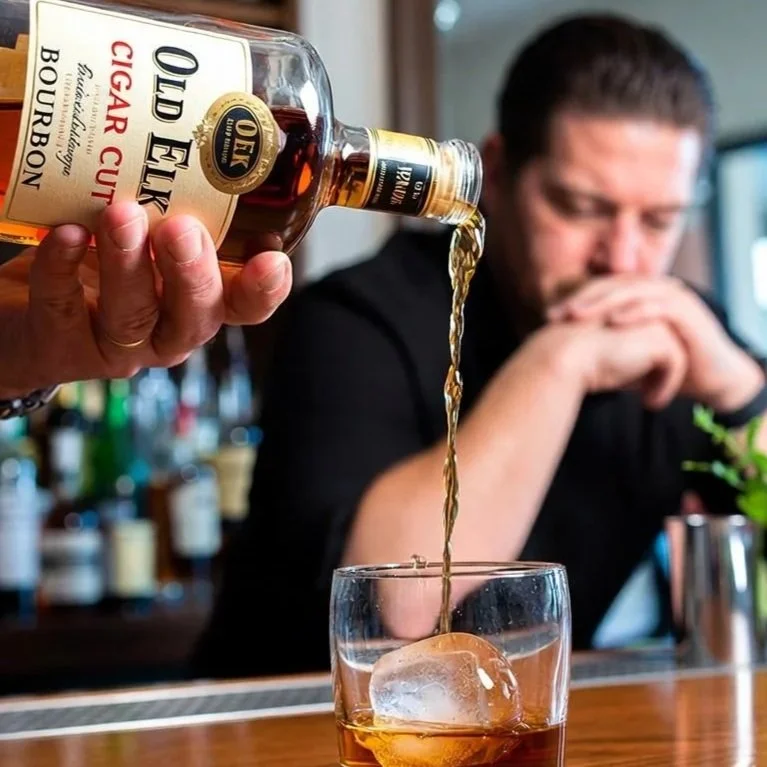
Every bar has them. The guest who orders a specific bourbon, gets the wrong one, and knows immediately. The regular who has a particular single malt they drink exclusively and will send it back without hesitation if something is off. Whiskey drinkers are among the most brand-loyal and palate-developed guests in any restaurant, and handling them well is a specific skill that every serious bar training program needs to address.
In over twenty years of bar management and bartender training courses, I have found that most bar staff have never received specific guidance on how to serve premium whiskey guests correctly. That gap costs restaurants real money in missed upsells, drink remakes, and lost loyalty.
Why Whiskey Drinkers Are Different
I ran an experiment years ago at a sports bar where I poured the wrong IPA for one hundred guests who ordered specific IPAs. Only one caught it. I would never attempt that experiment with whiskey drinkers. The palate development that comes with serious whiskey consumption is real. Premium whiskey drinkers have spent years distinguishing between products, and they will notice substitutions, improper glassware, too much ice, or a glass that has not been properly rinsed.
This is one of the first things I teach in any bar training course: calibrate your assumptions about guest expertise based on what the guest is drinking. The IPA rule does not apply to whiskey, and any bar training program that does not address this distinction leaves your staff unprepared for your highest-spending guests.
The Ice Question Every Bar Training Course Should Answer
One of the most reliable ways to signal to a whiskey drinker that your bar staff did not complete a serious bartender training course is to drown their drink in ice. A premium single malt served over a glass full of ice is, to a serious whiskey drinker, something close to an insult. The ice melts rapidly and dilutes a spirit the guest paid a significant premium to taste in its intended form.
The rule I teach in every bar training program I run: the higher the end of the whiskey, the less ice. A well bourbon on the rocks is fine. A 25-year Glenfarclas poured over a standard rocks glass full of cubes is a problem. If your bar carries premium whiskeys, invest in large format ice that melts slowly and train your staff to ask premium whiskey guests how they prefer their drink served.
The Opportunity in the Demand
Whiskey drinkers are demanding, but they are also among the highest-spending guests at any bar. They drink premium products, they tip well when they are treated right, and they become intensely loyal to bars where they feel their preferences are understood and respected. Getting the whiskey experience right is worth the extra investment in your bar training program.
A well-trained staff member who came out of a real bartender training course and can speak knowledgeably about the whiskey selection, recommend appropriate pairings, and serve the drink correctly creates a level of trust with these guests that translates directly into repeat visits and genuine loyalty. This is the kind of service excellence that drives the long-term revenue your bar program depends on.
At 5 Loaves Restaurant Consulting, we train bar staff on premium spirit service, guest management, and the hospitality standards that turn demanding guests into loyal regulars. Our bar training programs are built for independent restaurant owners across the US who want real results from their bar operation.
Contact us for a free consultation about your bar training program.