The Right Glassware for Every Drink — What Every Bar Training Program Should Cover
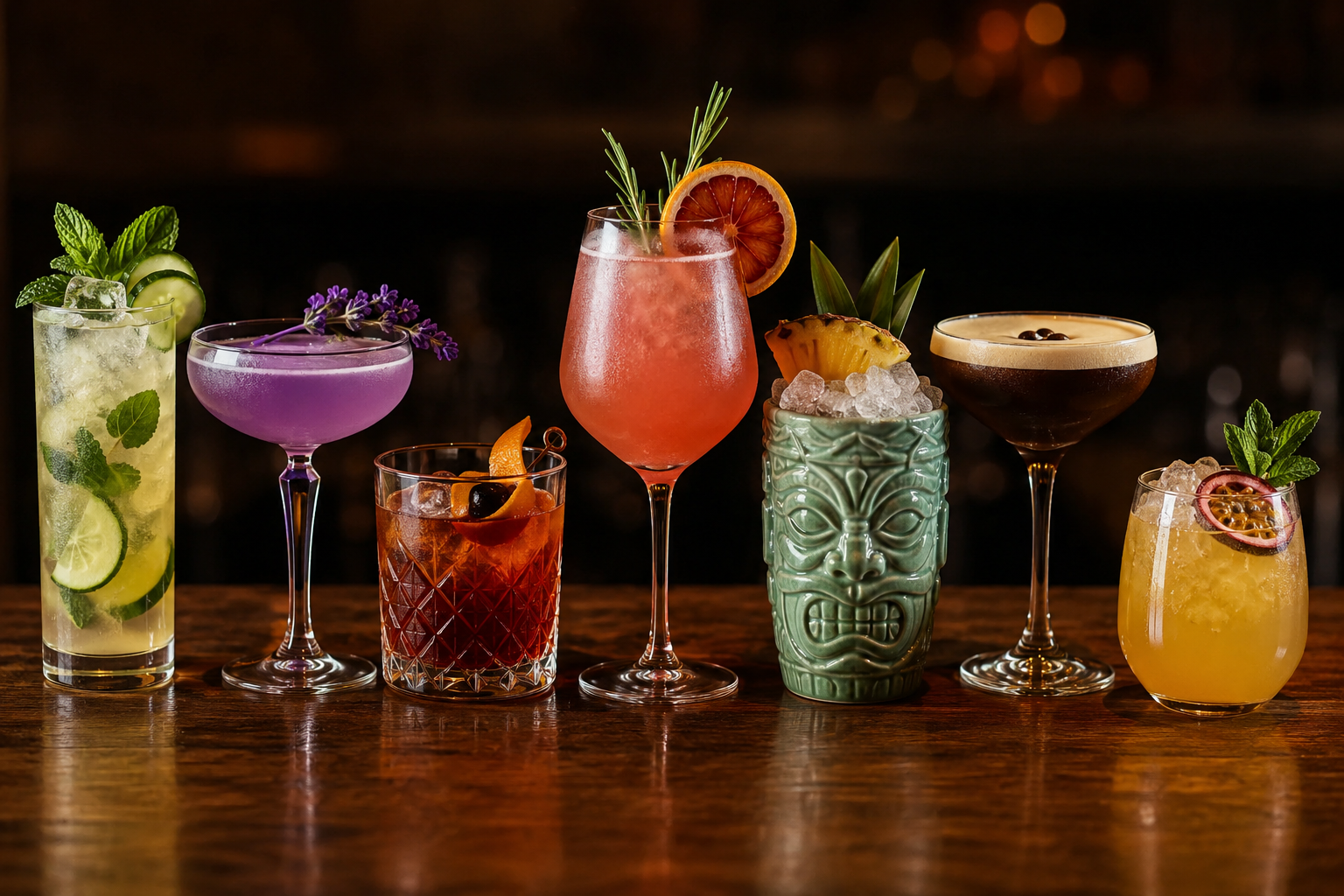
I was doing a bar audit at a Connecticut restaurant and found martini glasses in four different locations, wine glasses stored with the highballs, and a collection of snifters that nobody on staff had ever used or been trained on. The bartenders were grabbing whatever was close during service rather than what was appropriate for each drink. Guests were receiving cocktails in the wrong vessel and nobody had noticed because nobody had been taught to notice.
Glassware standards belong in every bartender training course. The shape of a glass affects how aromas reach the nose, how the liquid hits the palate, and how the overall presentation lands with the guest. Getting it right matters, and most bar training programs treat it as an afterthought.
The Essential Glass Types Every Bar Training Course Covers
Most restaurant menus can be served properly with five basic glass types. A rocks glass for spirits on the rocks, old fashioneds, and low-ball cocktails. A highball glass for tall cocktails and mixed drinks with soda. A wine glass with a reasonably wide bowl for red wine and a slightly narrower one for white. A martini glass or coupe for classic up cocktails. And a pint glass for draft beer.
Beyond these five, additional specialty glasses should be chosen based on your specific menu. Avoid accumulating glassware that has no clear purpose on your menu. It creates storage problems and confusion during service, and it signals to staff that your bar management approach lacks organization.
The Snifter Question
The snifter is ideal for premium aged spirits, particularly high-end cognacs and aged whiskeys. The wide bowl allows the spirit to breathe and the narrow top concentrates the aromas toward the nose. For a guest ordering a premium pour of an aged spirit, a snifter signals that your bar program understands what they ordered and takes it seriously.
That said, if your staff have never been through a bar training program that covers snifter use, those glasses are sitting in your cabinet doing nothing. Glassware selection training is part of every bartender training course we run. Staff who know why each glass exists will use them correctly without being reminded.
The Coupe vs the Martini Glass
The coupe glass has largely replaced the classic martini glass in many serious cocktail programs. The martini glass is elegant but unstable, and the wide open top means aromas dissipate quickly. The coupe is more stable, concentrates aromas slightly better, and looks beautiful without the stability issues. For a restaurant building a serious cocktail program, investing in a good set of coupes is worth considering. Any bar training course covering premium cocktail service should address this distinction.
Audit Your Glassware
Before your next busy service, do a quick audit. Count how many of each glass type you have. Identify where each is stored. Ask your bar staff which glass they would use for each cocktail on your menu. If the answers are inconsistent or uncertain, you have a bar management gap that is affecting your guest experience right now.
Whether you need a complete bar training program from scratch or targeted bartender training courses to address specific gaps, glassware standards should be in the curriculum. At 5 Loaves Restaurant Consulting, we address glassware as part of our full bar program and menu design consulting work for independent restaurants across the US.
Contact us for a free consultation about your bar training program.
5 Loaves Restaurant Consulting works with independent restaurant owners across the US including Connecticut, Miami